
Early Years Quality Care Pathway
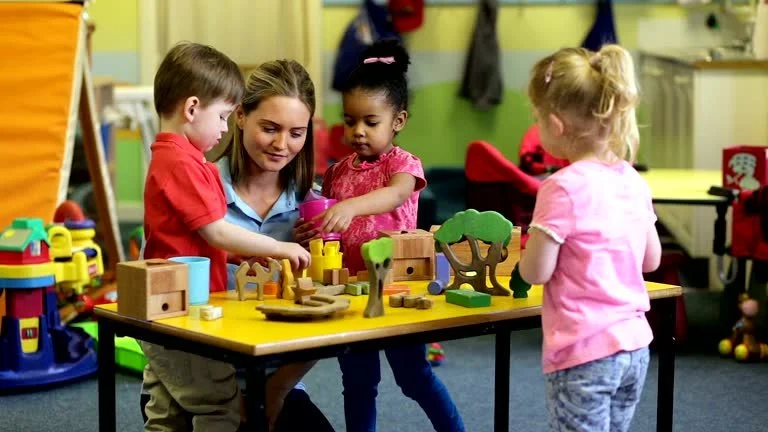
The Early Years Quality Care Pathway is designed for educators, providers, childcare teams, and early childhood programs looking for practical support that fits their setting. Because every provider and center is different, access is reviewed individually so the pathway can reflect your team size, goals, and level of support needed. Please complete the form below, and we’ll follow up with next steps and invoice details where appropriate.
Please include the following in your message:
Name of your center, provider, school, or organization
Your role or position
Number of staff members who may need access
Type of setting you operate or work in
What kind of support or training you are looking for
Any preferred timeline for starting
What the Early Years Quality Care Pathway Covers
The Early Years Quality Care Pathway is designed to support the whole early learning environment, helping educators, providers, and childcare teams strengthen everyday practice, reduce overwhelm, and provide consistent, high-quality care for young children.
Topics include:
Child Development from Birth to 3
Understanding brain development, attachment, movement, communication, emotional growth, and how infants and toddlers learn through relationships, repetition, and play.
Responsive Caregiving & Secure Relationships
Building trust, reading children’s cues, supporting regulation, and creating consistent adult-child relationships that help children feel safe and ready to learn.
High-Quality Early Learning Environments
Creating calm, nurturing, developmentally supportive spaces through thoughtful room setup, routines, transitions, materials, and adult interaction.
Behaviour, Big Feelings & Emotional Regulation
Supporting tantrums, biting, separation anxiety, frustration, limit-setting, and co-regulation with calm, developmentally appropriate responses.
Play-Based Learning With Purpose
Understanding how play supports learning and how educators can observe, extend, and guide play without making the early years overly academic.
Communication, Language & Early Literacy
Supporting early communication, speech development, songs, books, conversation, multilingual learners, and children who are not yet using words.
Observation, Documentation & Developmental Milestones
Recognizing development, tracking progress, identifying concerns, documenting learning, and knowing when additional support or referral may be needed.
Inclusive Practice & Diverse Learning Needs
Supporting children with different abilities, sensory needs, speech delays, neurodivergence, trauma experiences, cultural backgrounds, and family structures.
Health, Safety, Routines & Wellbeing
Strengthening everyday care around feeding, sleep, toileting, hygiene, safety, illness, emotional wellbeing, and the learning that happens through daily routines.
Family Partnership & Communication
Building trust with families, communicating professionally, sharing concerns sensitively, and creating consistency between home and the care setting.
Educator Wellbeing & Team Support
Reducing stress and burnout by supporting staff wellbeing, emotional load, communication, boundaries, morale, and reflective practice.
Leadership, Shared Practice & Quality Improvement
Helping providers and program leaders create shared language, onboard staff, strengthen consistency, support team development, and raise care quality across the setting.
Culturally Responsive Care & Community Awareness
Respecting family values, reducing bias, understanding community context, and creating early learning spaces where children and families feel seen and supported.
Supporting Transitions
Helping children and families manage drop-off, pick-up, room changes, new educators, settling-in periods, and transitions toward preschool.
Reflective Practice & Professional Growth
Encouraging educators and teams to reflect on their responses, improve daily practice, and understand how small changes can strengthen the whole care environment.